From powering our homes and businesses to driving technological advancements, electrical systems form the backbone of modern civilization. Behind every flickering light and humming appliance lies a complex network of wires, circuits, and components, working tirelessly to deliver electricity where it’s needed.
Electrical systems services in Nigeria play a vital role in ensuring safe, reliable, and efficient power distribution across residential, commercial, and industrial environments. Let’s take a closer look at electrical systems and their indispensable role in shaping our world.
1. The Basics: Understanding Electrical Systems
At its core, an electrical system comprises various components that work together to generate, transmit, distribute, and utilize electrical energy. These components include power sources such as generators or batteries, conductors like wires or cables, switches, transformers, and loads such as lights, motors, and appliances.
Electrical systems can range from simple setups in residential buildings to intricate industrial power networks powering factories and large facilities. Professional electrical systems services ensure these components operate safely, efficiently, and in compliance with regulatory standards.
2. Power Generation: From Source to Socket
Power generation is the first step in the journey of electricity from its source to end-users. Power plants, ranging from traditional fossil fuel-based plants to renewable energy installations like solar and wind farms, produce electricity by converting energy from various sources into electrical energy.
This electricity is then transmitted through high-voltage transmission lines to substations, where it is stepped down to lower voltages for distribution to homes, businesses, and industries. In Nigeria’s growing industrial sector, reliable electrical infrastructure is critical to supporting economic growth and operational continuity.
3. Distribution and Transmission: Wiring the World
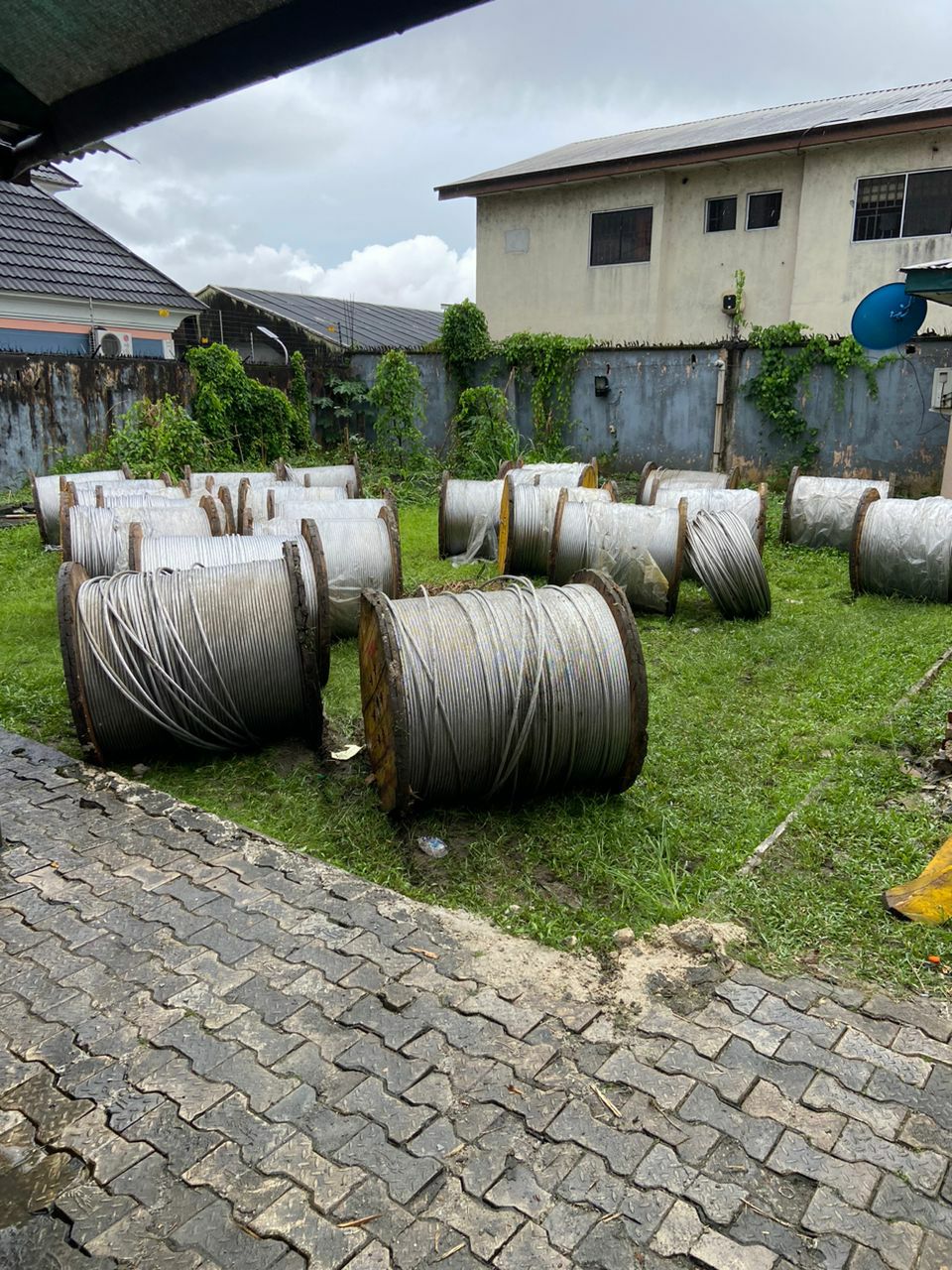
Electrical distribution and transmission networks form the backbone of the electricity grid, ensuring that power reaches its destination safely and reliably. Transmission lines, often spanning vast distances, carry high-voltage electricity from power plants to substations, while distribution lines deliver electricity from substations to homes and businesses at lower voltages.
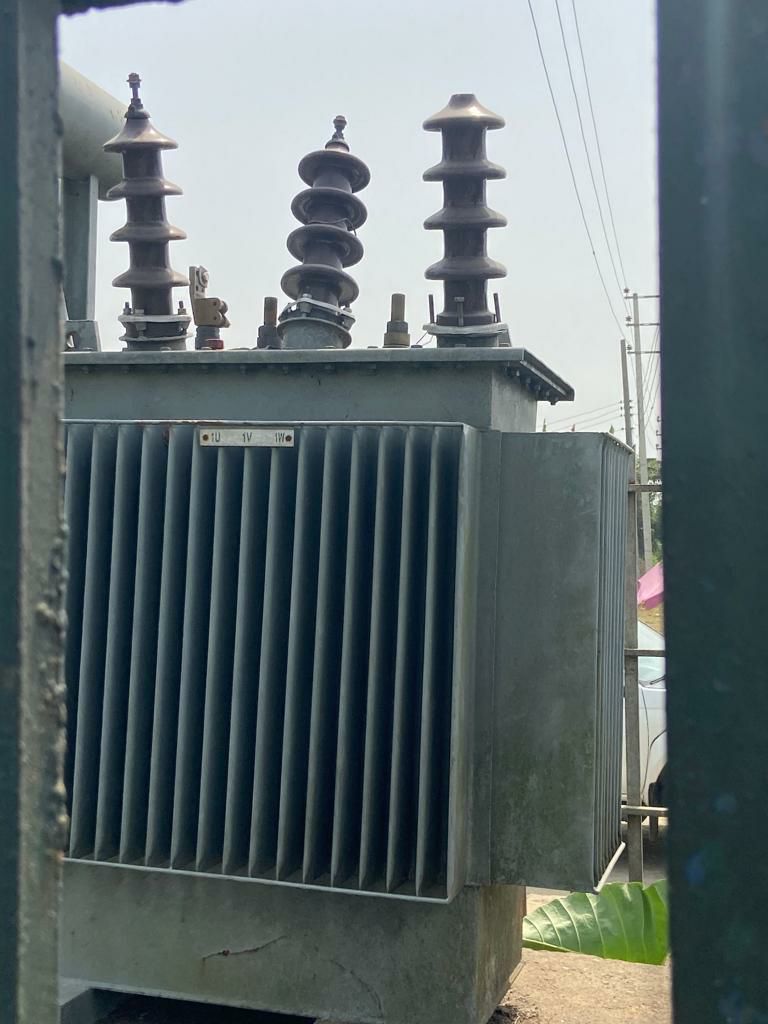
Transformers play a crucial role in stepping up or stepping down voltages as needed along the transmission and distribution networks. Well-designed electrical systems services help minimize power losses, improve efficiency, and enhance system stability.
4. Safety and Regulation: Shockproofing the System
Safety is paramount in electrical systems to protect both people and property from the risks of electrical hazards such as shocks, fires, and equipment damage. Electrical codes and standards set forth by regulatory bodies govern the design, installation, and maintenance of electrical systems, ensuring compliance with safety requirements.
Grounding systems, circuit protection devices like fuses and circuit breakers, and proper wiring practices are essential elements in safeguarding electrical installations. Professional electrical systems services in Nigeria ensure installations meet required safety standards and regulatory compliance.
5. Future Trends: Electrifying Innovations
As technology advances and sustainability becomes a priority, electrical systems are evolving to embrace new innovations and trends. Smart grid technologies, energy storage solutions like batteries, and the integration of renewable energy sources into the grid are reshaping the future of electricity generation and distribution.
Electrification of transportation through electric vehicles and advancements in energy-efficient technologies are also driving change and shaping the landscape of electrical systems worldwide.
In Nigeria, modernization of electrical infrastructure is essential to support industrial growth, energy efficiency, and sustainable development.
Conclusion
Electrical systems are fundamental to modern life, powering industries, businesses, and homes across the globe. From generation and transmission to safety and innovation, every component plays a crucial role in maintaining reliable power supply.
By investing in professional electrical systems services in Nigeria, organizations can ensure safety, efficiency, compliance, and long-term operational reliability.