Introduction
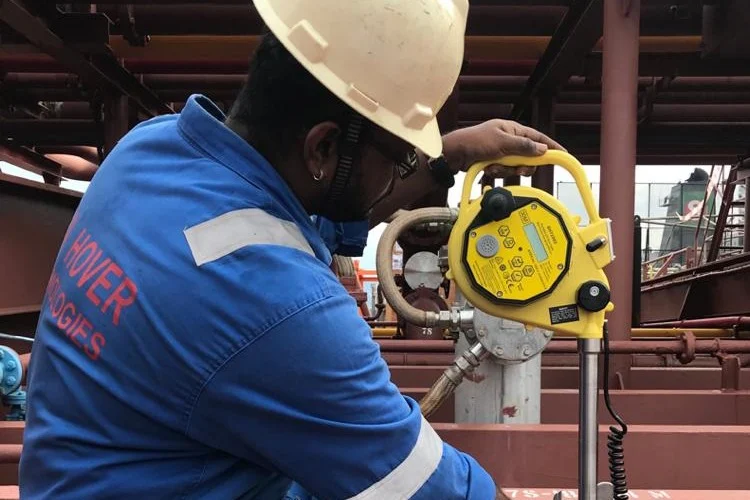
Accurate tank measurement is critical in petroleum storage and transfer operations. Even minor measurement errors can lead to significant financial discrepancies, compliance risks, and operational inefficiencies. One of the most trusted petroleum tank measurement tools used in terminals and storage facilities is the UTI (Ullage Temperature Interface) tape.
However, owning a UTI tape is not enough. Without proper UTI tape maintenance, measurement reliability declines over time. Regular servicing, calibration, and inspection are essential to maintain tank measurement accuracy and ensure dependable performance in demanding industrial environments.
In this article, we explore how UTI tape maintenance directly improves measurement precision, prevents costly errors, and strengthens operational reliability.
What Is a UTI Tape and Why Accuracy Matters
A UTI tape is a precision instrument used to measure:
- Ullage (empty space in a tank)
- Product level
- Interface between oil and water
- Temperature inside storage tanks
These measurements form the basis for:
- Inventory reconciliation
- Custody transfer calculations
- Regulatory reporting
- Loss prevention
When UTI tape accuracy declines, even slightly, the impact can be significant. A small deviation in measurement can translate into thousands of liters in volume miscalculation, particularly in large petroleum storage tanks.
This is why consistent ullage tape servicing is not optional — it is operationally critical.
How Poor Maintenance Affects Tank Measurement Accuracy
Over time, UTI tapes are exposed to harsh conditions, including:
- Petroleum vapors
- Chemical exposure
- Moisture and humidity
- Mechanical wear from repeated use
- Battery and electronic component degradation
Without routine maintenance, the following issues may arise:
1. Sensor Inaccuracy
Contaminated or worn sensors may produce delayed or incorrect interface detection.
2. Tape Stretching or Mechanical Wear
Physical wear can alter measurement precision, affecting ullage readings.
3. Temperature Probe Drift
Temperature compensation errors can distort volume calculations.
4. Signal Instability
Electronic faults may cause inconsistent readings.
Each of these problems reduces overall tank measurement accuracy and increases operational risk.
Key Benefits of Proper UTI Tape Maintenance
1. Improved Measurement Precision
Routine UTI tape calibration ensures that the device aligns with recognized standards. Calibration verifies:
- Interface detection sensitivity
- Temperature accuracy
- Signal consistency
- Measurement repeatability
When properly maintained, a UTI tape delivers stable and precise readings, reducing discrepancies in tank inventory reporting.
2. Reduced Financial Losses
In petroleum storage, small measurement errors can lead to:
- Product loss disputes
- Over- or under-reporting of inventory
- Custody transfer conflicts
By maintaining high UTI tape accuracy, organizations minimize financial exposure and protect revenue integrity.
3. Enhanced Compliance and Audit Readiness
Regulatory authorities and industry standards require accurate measurement systems. Routine ullage tape servicing demonstrates:
- Commitment to compliance
- Traceable calibration records
- Operational transparency
Maintained instruments help facilities remain audit-ready and reduce regulatory risks.
4. Extended Equipment Lifespan
Preventive maintenance reduces premature device failure. Instead of reactive repairs, organizations benefit from:
- Early detection of wear
- Replacement of faulty components
- Performance verification
This extends the operational lifespan of petroleum tank measurement tools and lowers long-term costs.
Core Components of Effective UTI Tape Maintenance
A structured maintenance program typically includes:
✔ Visual Inspection
Checking for mechanical damage, corrosion, or wear.
✔ Sensor Cleaning
Removing product residue that may affect detection sensitivity.
✔ Battery and Electronics Check
Ensuring stable power supply and signal transmission.
✔ Calibration Testing
Verifying measurement performance against standard references.
✔ Documentation
Maintaining service records for compliance and traceability.
When performed consistently, these steps significantly improve tank measurement accuracy.
The Link Between Maintenance and Data Integrity
Modern petroleum operations rely heavily on data-driven decision-making. Inventory management systems, reconciliation software, and compliance reporting tools depend on accurate field measurements.
If UTI tape readings are unreliable, the entire data chain becomes compromised.
Proper UTI tape maintenance ensures that:
- Reported tank levels are dependable
- Volume calculations remain consistent
- Operational planning is based on accurate data
- Loss detection systems function correctly
In short, maintenance protects not just the device — but the integrity of operational data.
Maintenance Frequency: How Often Is Enough?
The ideal maintenance frequency depends on:
- Usage intensity
- Environmental conditions
- Manufacturer recommendations
- Regulatory requirements
However, best practice generally includes:
- Routine inspection before use
- Scheduled periodic servicing
- Annual calibration verification
High-usage terminals may require more frequent servicing to preserve UTI tape accuracy.
Preventive Maintenance vs Reactive Repairs
Many facilities wait until a UTI tape malfunctions before taking action. This reactive approach often results in:
- Unexpected downtime
- Measurement disputes
- Emergency repair costs
A preventive maintenance strategy, on the other hand, focuses on early intervention. It ensures continuous reliability and minimizes disruptions to petroleum storage operations.
Preventive care is significantly more cost-effective than correcting measurement errors after they occur.
Supporting Operational Efficiency
Accurate tank measurement contributes to:
- Better inventory planning
- Reduced product loss
- Improved reconciliation
- Stronger accountability
By prioritizing UTI tape maintenance, organizations strengthen operational discipline and maintain measurement confidence across teams.
Operators can work with assurance, knowing their readings are consistent and verified.
Conclusion
UTI tapes play a critical role in petroleum tank measurement. However, their reliability depends entirely on consistent maintenance, calibration, and servicing.
Proper UTI tape maintenance improves tank measurement accuracy, reduces financial risks, enhances compliance, and extends equipment lifespan. In high-value industrial environments, accuracy is not optional — it is foundational.
Organizations that invest in routine ullage tape servicing position themselves for greater operational stability, data integrity, and long-term efficiency.