Introduction
In petroleum storage operations, accuracy is everything. From inventory reconciliation to custody transfer and regulatory reporting, reliable measurement systems are essential for operational integrity. At the center of this reliability is proper tank calibration.
Tank calibration ensures that the physical dimensions and volume capacity of storage tanks are accurately determined and documented. Without proper calibration, measurement discrepancies can lead to financial losses, compliance violations, and operational inefficiencies.
This article explores why petroleum tank calibration is critical, how it works, and why storage facilities must prioritize it.
What Is Tank Calibration?
Tank calibration is the process of determining the exact volume capacity of a storage tank at different fill levels. It produces a calibration chart (also called a tank table), which converts measured liquid levels into precise volume values.
Calibration ensures:
- Accurate volume measurement
- Verified tank capacity
- Reliable inventory reporting
- Regulatory compliance
In petroleum operations, even small errors in storage tank measurement can result in significant financial discrepancies.
Why Accuracy Matters in Petroleum Storage
Petroleum products are high-value commodities. A small variation in tank volume calculation can translate into thousands of liters.
Accurate tank volume verification supports:
- Inventory management
- Loss prevention
- Custody transfer accuracy
- Regulatory documentation
- Financial transparency
Without reliable calibration data, measurement systems cannot function correctly.
How Tank Calibration Works
There are several recognized methods of petroleum tank calibration, including:
1. EODR Tank Calibration (Electro-Optical Distance Ranging)
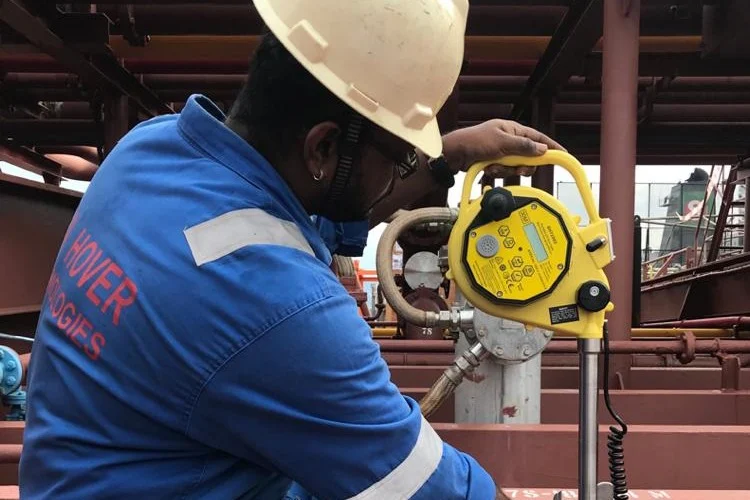
EODR technology uses advanced optical instruments to measure tank geometry with high precision. It is widely used because it:
- Reduces human error
- Improves measurement speed
- Enhances accuracy
- Minimizes operational downtime
EODR tank calibration is particularly effective for large petroleum storage tanks where traditional manual methods may be less efficient.
2. Manual Strapping Method
This traditional method involves physical measurement of tank dimensions using calibrated tools. While still used in some cases, it is generally more time-consuming and subject to greater human variation.
3. Hydrostatic (Liquid Fill) Method
This method calculates tank volume by filling the tank with a known quantity of liquid. It is highly accurate but may not always be practical for operational facilities.
The Risks of Operating Without Proper Tank Calibration
Failure to conduct regular tank calibration can result in:
Inventory Discrepancies
Unverified tank tables may cause inaccurate stock reconciliation.
Revenue Loss
Measurement errors can lead to under-reporting or over-reporting of stored products.
Regulatory Non-Compliance
Petroleum storage facilities must meet industry standards and audit requirements.
Disputes During Custody Transfer
Incorrect volume calculations may lead to conflicts between buyers and sellers.
Accurate calibration protects both operational performance and financial stability.
Regulatory and Compliance Importance
Petroleum storage facilities operate under strict regulatory frameworks. Authorities and industry standards require:
- Traceable measurement systems
- Verified tank tables
- Documented calibration records
- Periodic recalibration
Tank calibration supports compliance with industry best practices and strengthens audit readiness.
When Should Tanks Be Calibrated?
Tank calibration is recommended:
- After new tank installation
- After structural repairs or modifications
- When measurement discrepancies are detected
- Periodically, based on operational requirements
Environmental factors, foundation shifts, and long-term use can affect tank geometry over time. Periodic recalibration ensures continued accuracy.
Benefits of Professional Tank Calibration
1. Improved Measurement Confidence
Operators rely on accurate data for decision-making and reporting.
2. Stronger Inventory Control
Precise tank tables improve reconciliation accuracy.
3. Reduced Operational Risk
Accurate storage tank measurement minimizes disputes and errors.
4. Long-Term Cost Efficiency
Preventing volume miscalculations protects revenue over time.
The Role of EODR in Modern Calibration
Modern petroleum operations increasingly prefer EODR tank calibration because it:
- Provides high-precision measurement
- Enhances safety by reducing manual access
- Speeds up calibration processes
- Produces reliable digital documentation
As storage facilities expand and regulatory oversight increases, advanced calibration technologies are becoming the industry standard.
Tank Calibration and Data Integrity
In today’s industrial environment, petroleum storage operations depend on integrated systems for:
- Automated tank gauging
- Inventory software
- Compliance reporting
- Financial reconciliation
These systems are only as reliable as the calibration data behind them. Accurate tank volume verification ensures that digital systems produce trustworthy results.
Conclusion
Tank calibration is not just a technical requirement — it is a critical foundation for petroleum storage accuracy, compliance, and financial integrity.
Through proper petroleum tank calibration and modern methods such as EODR tank calibration, storage facilities can ensure precise volume measurement, reduce operational risks, and maintain regulatory confidence.
Organizations that prioritize accurate storage tank measurement position themselves for long-term operational reliability and sustainable growth.